Agriculture
11/15/2025
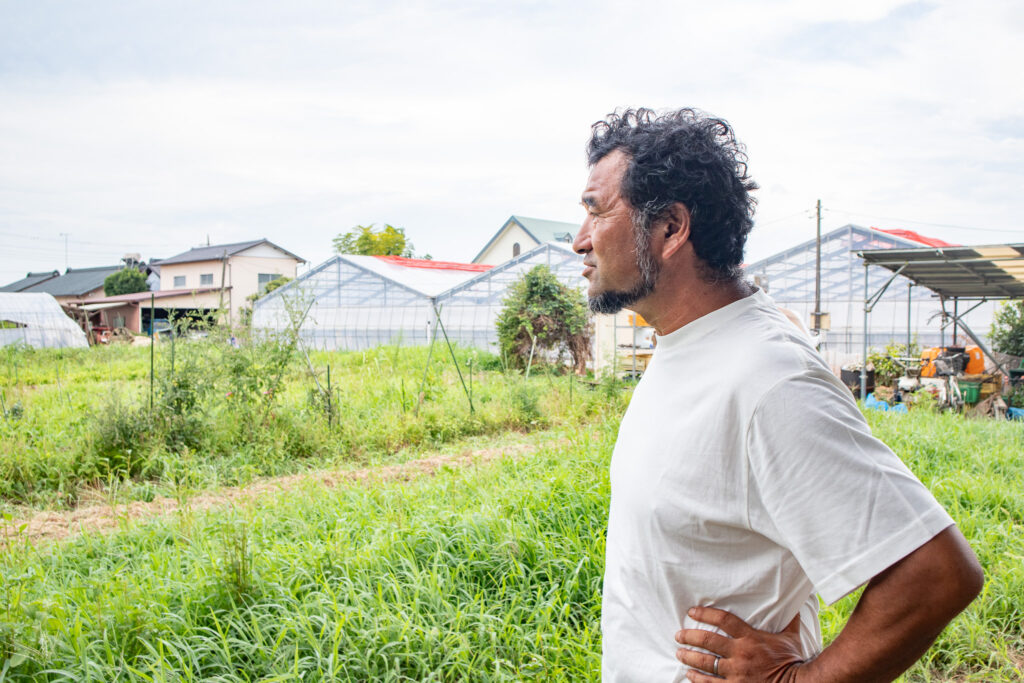
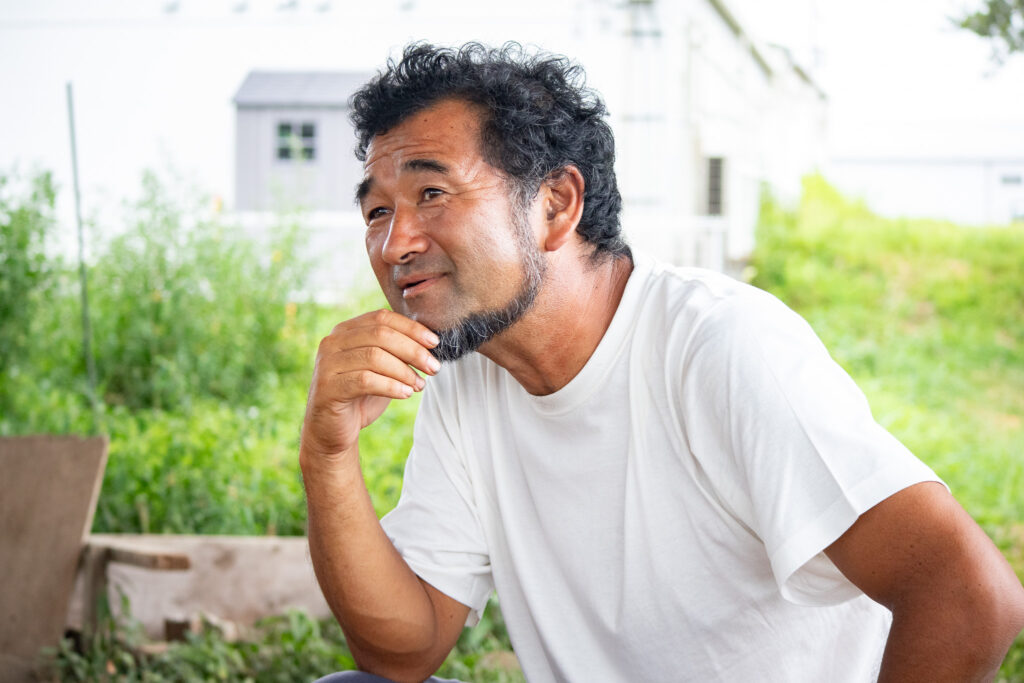
At Niko Niko Farm in Fujisawa City, Kanagawa Prefecture, the motto is “Growing vegetables without relying on pesticides or chemical fertilizers.” They practice no-till farming, fostering an organic relationship between nature and people. Hiroki Inoue, the owner of Niko Niko Farm not only explores a new form of agriculture that works with weeds to protect vegetables and leverages the power of soil microorganisms, but also pursues a wide range of challenges, including raising hens and honey bees, producing artisanal seasonings, and creating a universally accessible farm.
This time, we also spoke with Chie Nakamura, who is also involved in running the farm, and with the cooperation of Motoko Ishii, to hear the story of Niko Niko Farm and their passion for agriculture.
Hiroteru Inoue
Owner, Niko Niko Farm
Established Niko Niko Farm in 2008 and began operating as the “NPO ma,icca!! Niko Niko Farm” in January 2023. Drawing on over 10 years of organic farming experience, he focuses on face-to-face vegetable sales centered around local markets while also creating spaces that connect a diverse range of people. He accepts trainees and engages in agriculture-welfare collaboration.
He actively participates in co-creation activities with companies, such as joining Panasonic’s production for local consumption project “Hakkutsu!”. To increase exchanges with the community, individuals, and organizations, and to leave better soil and community foundations for the next generation, he is dedicated to building a universal farm where everyone can engage with the natural world with dignity.
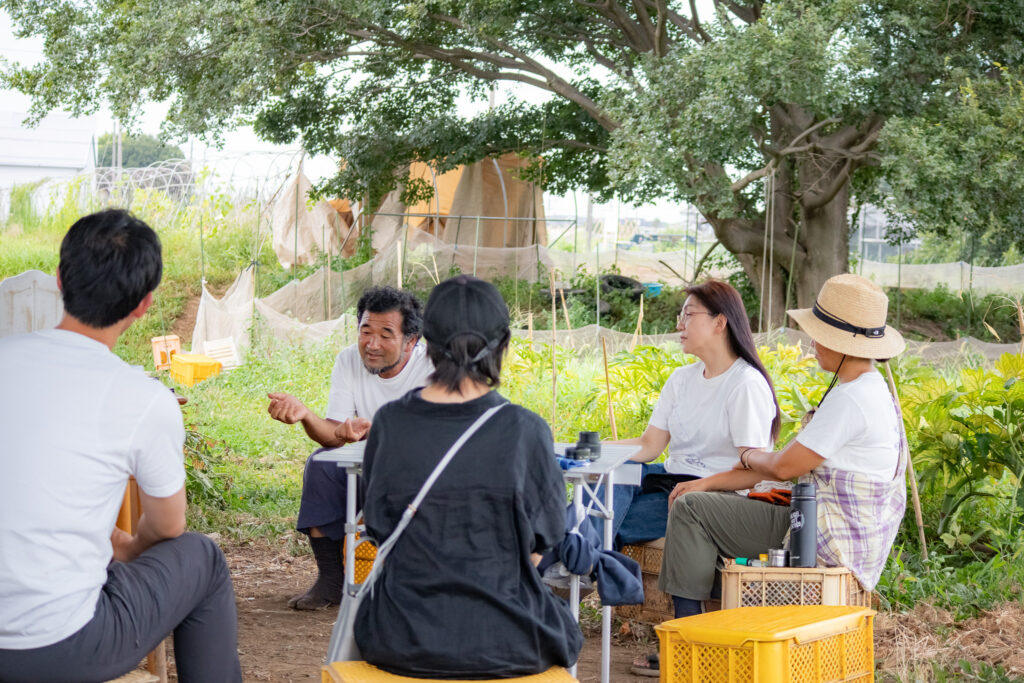
Inoue: Before opening the farm, I worked as a teacher at a special needs school for about eight years. The students were children with intellectual disabilities, and as part of their lessons, they had opportunities to do farm work. Farming is different from regular classes—it’s great because both teachers and students can think together and move their bodies. Even children who struggle with lessons or daily life can naturally take action when invited with phrases like, “I want to eat this vegetable, so let’s grow it together!” or “The work made us dirty, so shall we take a bath?” I felt that for the students, the world of agriculture was an easy-to-understand and comfortable place.
At the same time, I felt a sense of urgency about the limited paths available to these children after graduating from school and the scarcity of places for them in society. It frustrated me that some children had no choice but to go to welfare facilities. To create a place for these students, I decided to start my own farm.
Inoue: I graduated from an agricultural high school and studied microbiology in university, so agriculture was an area I was interested in. I also found working outdoors suited me better than working indoors, so becoming a farmer was a good fit.
Furthermore, while working as a teacher and interacting with farmers, I often heard about issues like abandoned farmland and the lack of successors. That made me want to get involved in solving agriculture’s challenges, so I started a farm utilizing abandoned land.
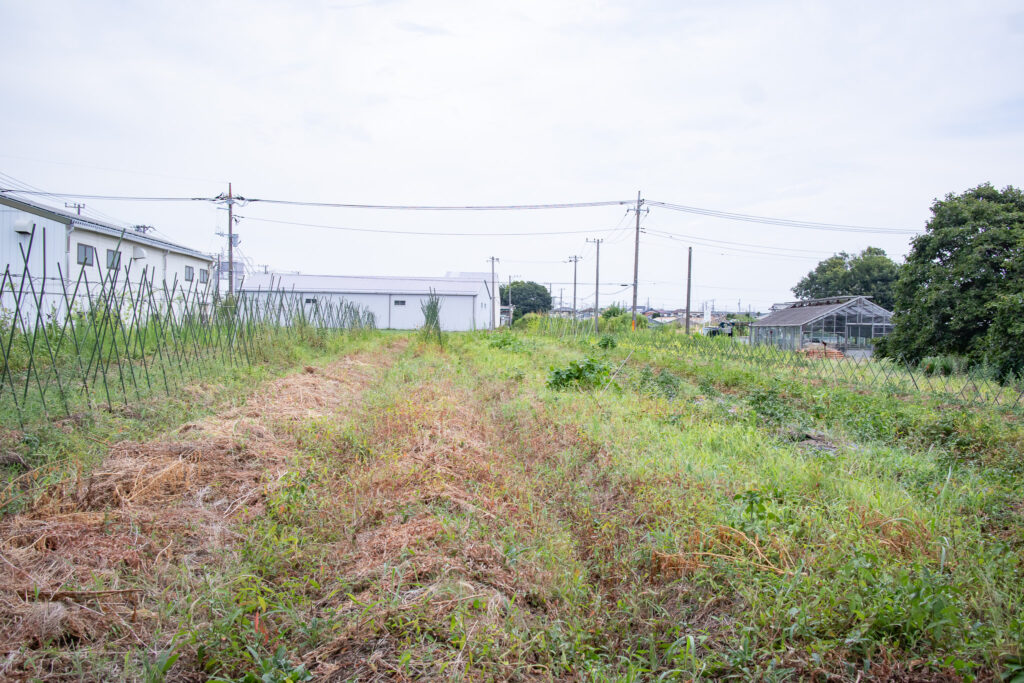
Inoue: It was tough. At first, it was just a vacant lot with a few small trees and lots of weeds. We started by cutting down the trees. We spent about a month cutting trees down to a size manageable for the brush cutter and digging up the roots. But the soil, probably because it had been left untouched for over a decade, had a crumb structure* and was soft—it was actually in really good condition.
*Crumb structure: A soil aggregate structure where particles form small clumps. Characterized by good aeration and drainage.
Inoue: That’s right. Since tilling destroys soil structure permanently, I thought, “I can’t take this lightly,” and went to consult my farming mentor, Shigeyuki Aihara. He is an organic farmer in Fujisawa City, a true legend in the field. He gave me advice that showed true respect to the soil and also encouraged me to attend the academy. Without his guidance, I might never have started farming. He showed me a shortcut that led me to where I am today.
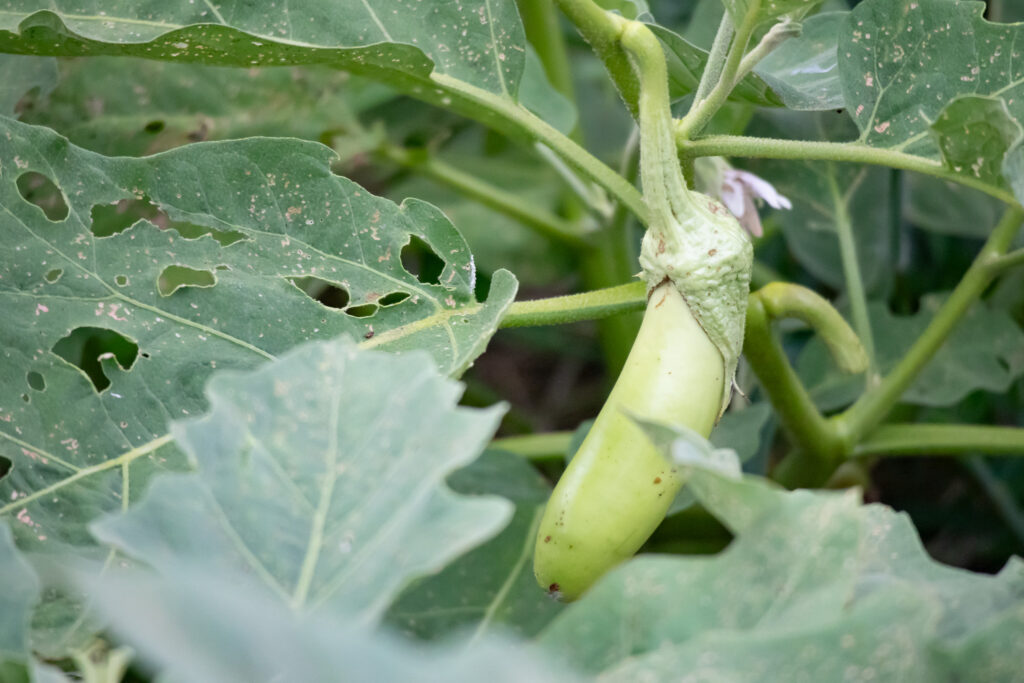
Inoue: I envisioned a future where I could farm together with all kinds of people, including those with disabilities like my students. So from the start, I decided to practice organic farming without chemical fertilizers or pesticides—ensuring it was safe even if first-time visitors or children put soil in their mouths or ate vegetables straight from the ground.
First, for about five years, I started with “no-till farming” – not tilling the soil or making ridges. It’s a labor-intensive method where you just lightly dig the field with a hoe to sow seeds, but the soil with its crumb structure produced incredibly good vegetables. Next, to increase yields, I went through a period of tilling the land. We got vegetables of impeccable quality and quantity, but within two or three years, we exhausted the soil’s vitality, and good vegetables stopped growing.
After that, we tried organic fertilizers, but perhaps due to a lack of trace elements in the soil, it didn’t go very well. We also received requests from customers with chemical sensitivities asking us, “please do not use organic fertilizers either.” So now, we grow vegetables using no-till cultivation without any fertilizers.
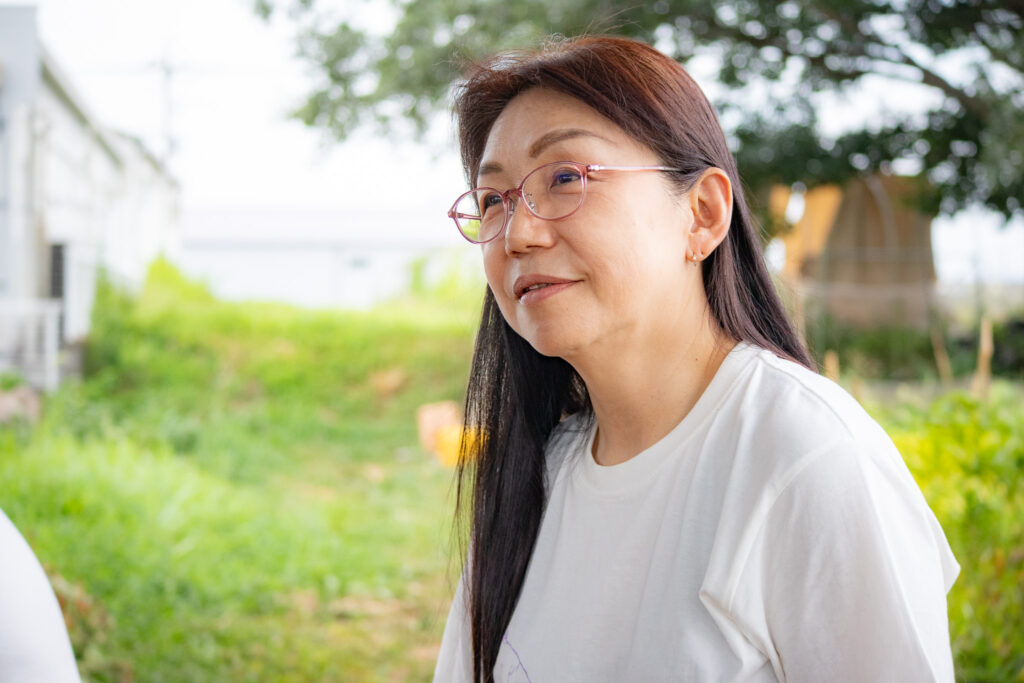
Nakamura: My previous job was at the public employment office, where I was in charge of employment support services. That’s how I learned about Niko Niko Farm as a place for trainees seeking to start farming. At the time, the farm was in a state where it wasn’t moving backward day by day, but it wasn’t moving forward either. It wasn’t effectively expressing Inoue-san’s vision, nor did it have systems in place to connect with a wider community. But I strongly felt it was absolutely a necessary place for the community and society.
After that, I joined in building the farm. About three years ago, we established an NPO, and gradually we were able to build connections with local residents, people interested in agriculture, and individuals with disabilities. Now, it’s become a place where many people gather—those who drop by casually, or lend a hand during events.
Inoue: I feel it’s become an interesting place, with people naturally helping out with work or even bringing snacks. Having the farm seems to create a good flow, like a breeze moving through the community.
Recently, people from welfare facilities have also been helping with farm work. They initially just came to visit, but by utilizing the farm-welfare collaboration system, we found a mutually beneficial arrangement. Trainees and graduates aiming to become farmers also come, making the farm lively.
Nakamura: I believe this farm can be a place of belonging for someone. Once, a child who stopped attending elementary school came to the farm. Even though they couldn’t go to school, they’d ride their bike to the farm, do farm work, talk with the older guys… It couldn’t have been easy, but this child kept up that routine for about three years.
Inoue: One day, they suddenly stopped coming to the fields. When I contacted them, they said, “I started going to school.” I was shocked. I blurted out, “Why are you going to school? Come back to the fields!” Maybe seeing us flawed adults made them feel a sense of urgency. After that, they successfully entered high school and is now attending university, I hear.
Nakamura: People who say things like, “I just feel kind of heavy-hearted…” sometimes drop by the fields. Some find energy through interacting with the chickens. You see people finding their place, not just among other people, but among living things.
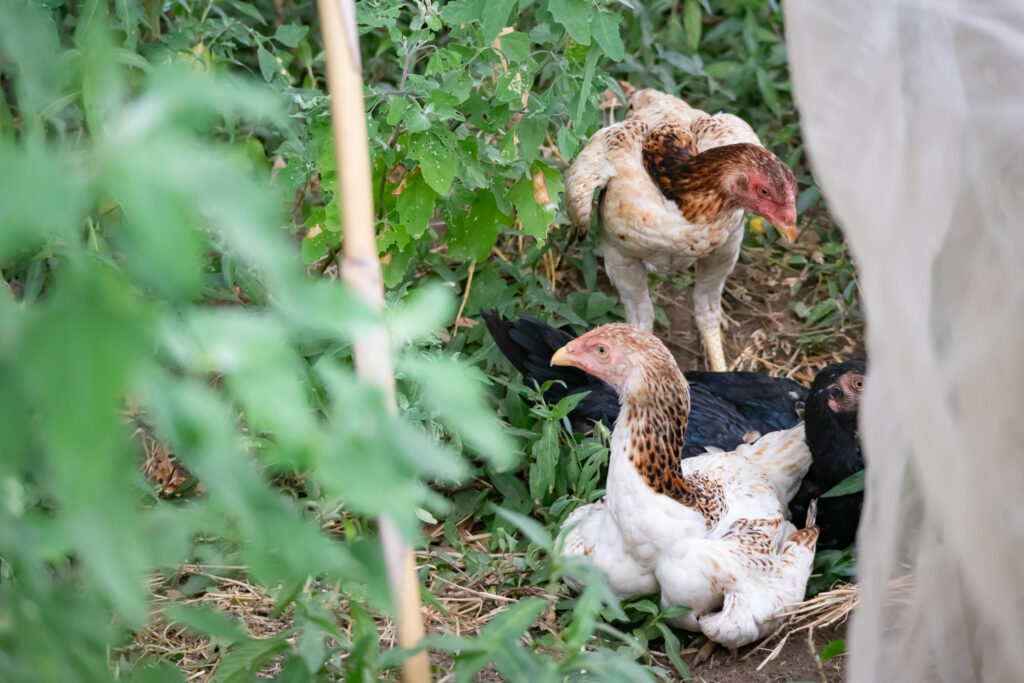
Inoue: Currently, we make condiments like soy sauce and miso, raise hens and shamo, and keep honey bees.
People expressed interest in trying to make condiments by hand, so we brew them using soybeans and barley that we grow ourselves. Seeing various people gather around the large pots to brew condiments feels like village work and provides a great opportunity to connect with local residents.
The hens and shamo are animals that Niko Niko Farm members adopted from rescue organizations. They roam the fields and sometimes peck at vegetables, but their droppings become fertilizer, and we get eggs. Perhaps because they look cute walking around, neighbors and passersby often stop to stare at them. We’re thinking of increasing their numbers a bit more in the future.
For beekeeping, a beekeeper acquaintance set up hives for us. Recently, we learned that the taste of honey changes depending on the flowers, prompting us to start thinking about creating a more bee-friendly environment. We used to cut weeds before they grew tall, but now we think, “Maybe the bees would like it if the flowers bloomed?” and leave some standing. We’re building our farm considering not just people, but plants, insects, and animals too.
In the second part of the interview, we’ll talk in detail about the future co-created with Lively and the vision for Niko Niko Farm.
Read Part 2 here.
Ryoko Nishi / Writer
Tsuyoki Taneda & Riko Abe / Lively