Environment
01/20/2026
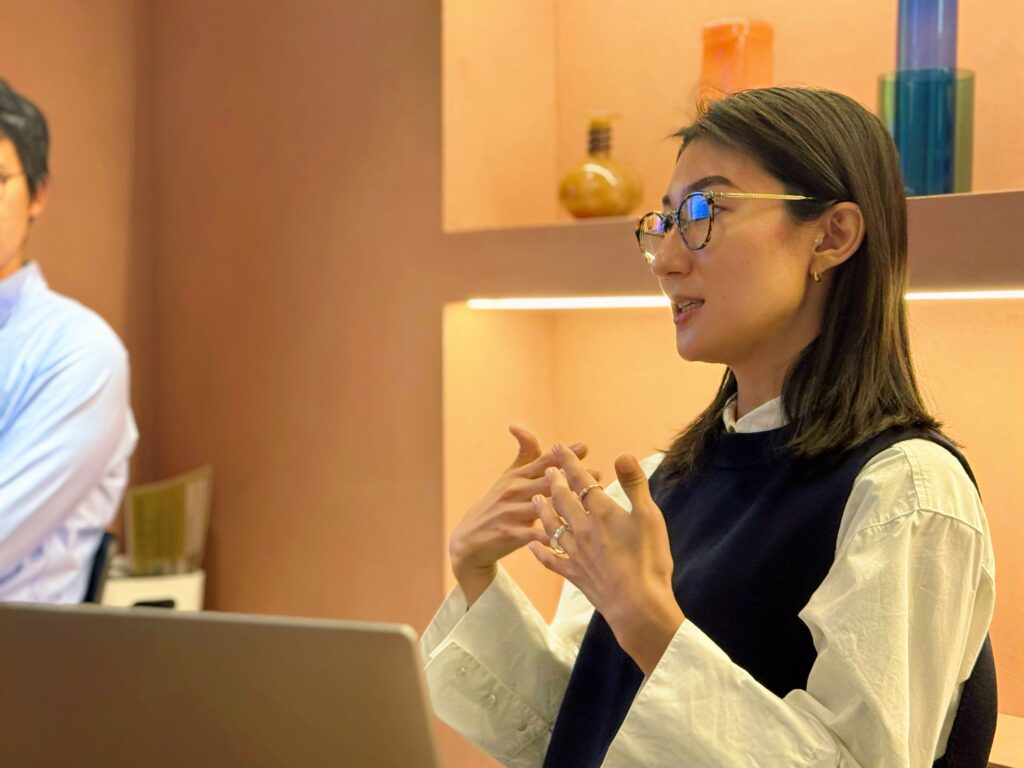
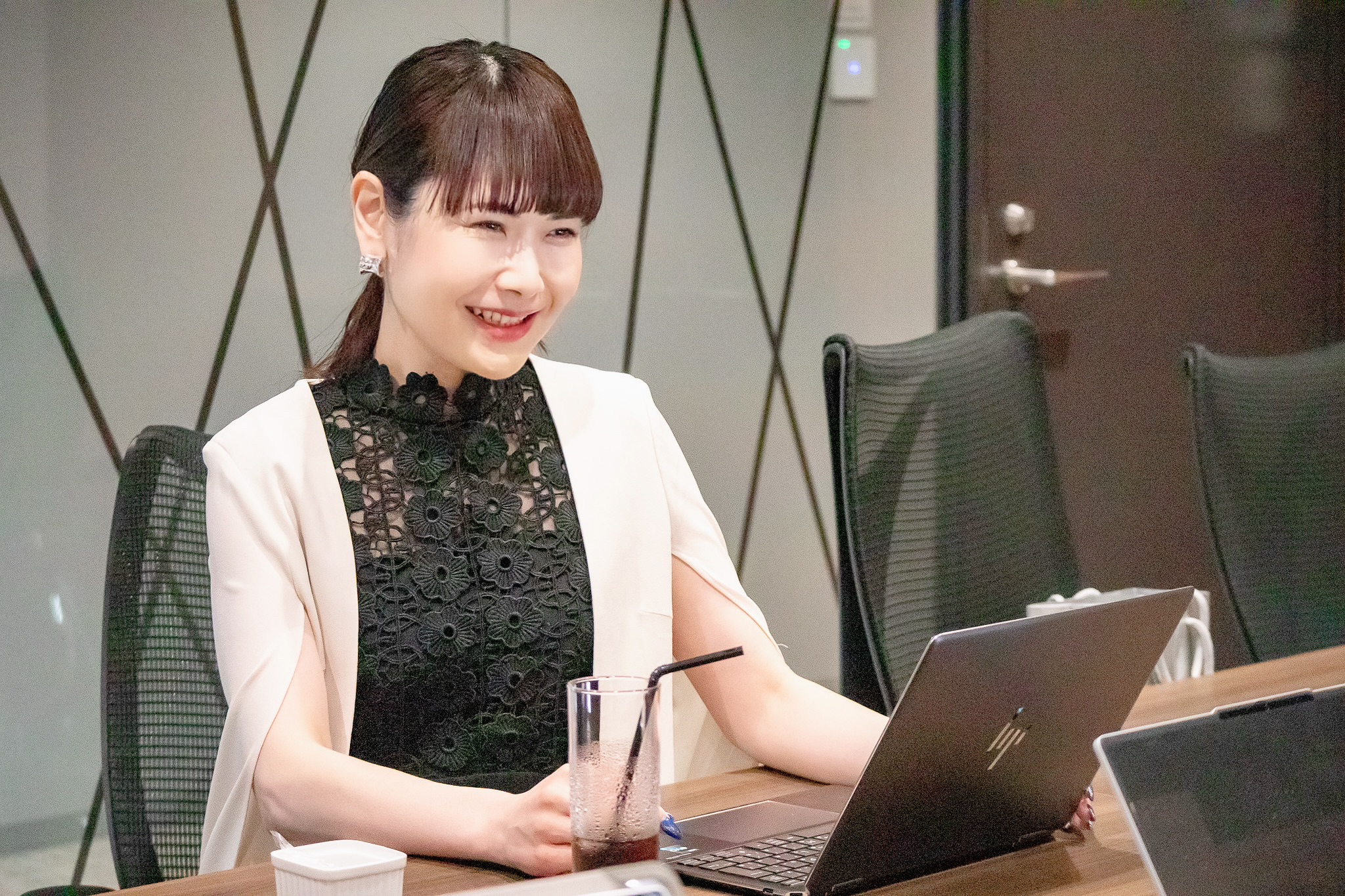
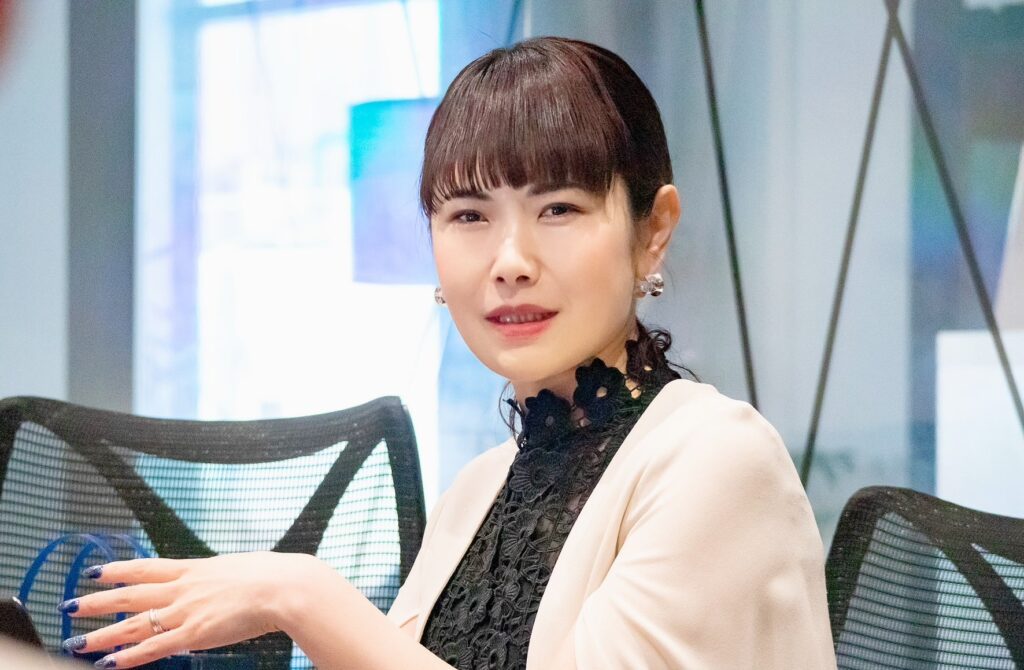
Narumi Saito works as a climate change risk consultant for Anthesis Group, a UK-based consulting firm specializing in sustainability. She confronts climate change issues at the forefront worldwide and continues to take action as a board member of the transition finance initiative “Climate+Positive Investing Alliance (C+PIA).” This time, we traced her journey from the spark that ignited her interest in sustainability to the challenges she faced to reach her current role, and heard her thoughts on the future ahead.
Narumi Saito
Anthesis Group Climate Change Risk Consultant / Climate Positive Investing Alliance (C+PIA) Board Member
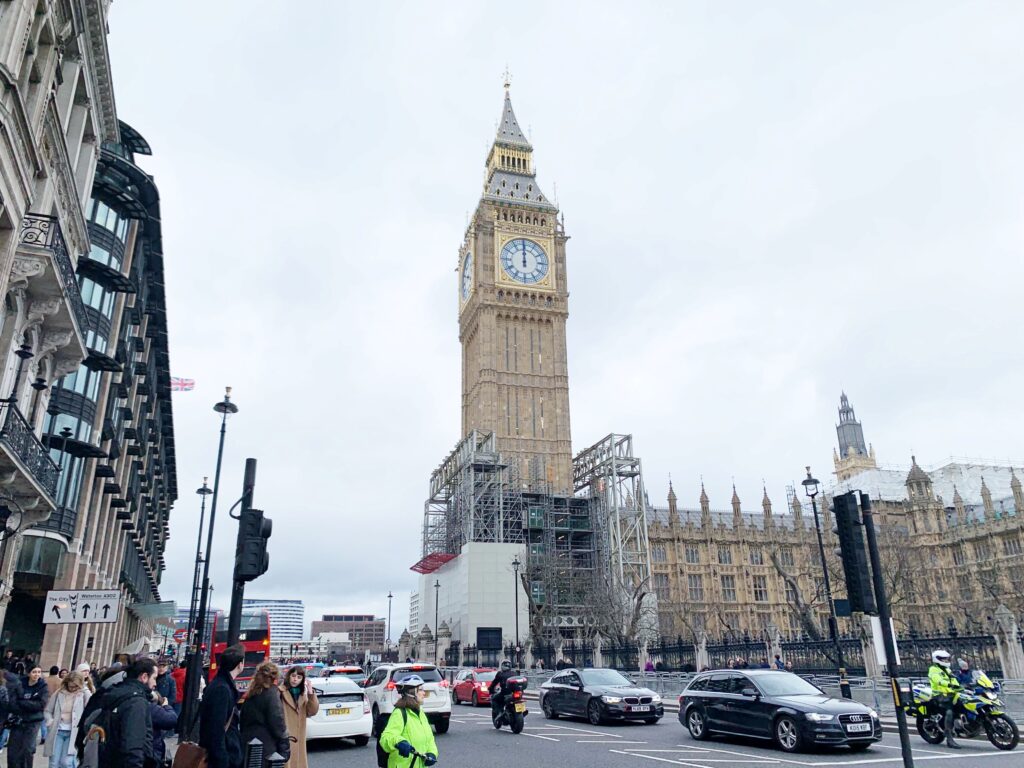
After working on IT system implementation at a Japanese consulting firm, she moved to the UK in 2022 to work at the forefront of climate change solutions and mitigation. Following roles at two climate startups, she joined Anthesis Group in 2023. As a climate change risk consultant, she supports UK and European companies with their Task Force on Climate-related Financial Disclosures (TCFD) reports. As a C+PIA Board Member, she manages networking events in London and Tokyo, builds the community, and contributes to developing the Climate Investment Guideline.
I was determined to work in the climate change field, so I started by searching for jobs through local online communities. Fortunately, I landed a position at a startup within about three weeks. Later, relying again on the community, I joined a second startup, and then moved to my third company, Anthesis Group.
Finding work so quickly might have been possible precisely because it was in the climate change field. In this industry, increasing the number of people and jobs related to climate change is seen as a solution… meaning engaging and nurturing many people is considered essential for solving climate change issues. That’s why I think it’s an environment with many welcoming people and connections.
As a climate change risk consultant, I support large corporations in preparing financial risk disclosure reports aligned with the Task Force on Climate-related Financial Disclosures (TCFD) framework. I also conduct training for stakeholders on topics like “What is climate change?” and “Why must companies take action?” In the UK, many people feel a sense of urgency about climate change or have a strong interest in it. Companies are strongly urged to disclose climate-related financial information in their annual reports. Compared to Japan, I feel the entire country has a higher level of awareness about environmental issues. The team members I work with aren’t just working because they were assigned to it, they are people driven by a strong desire to solve climate change issues.
Since living abroad long-term, looking back at Japanese society, I feel interactions with people from other cultures and with different values are relatively limited in Japan. When you’re born and raised in Japan, you tend to think about things within the context of Japanese society and compare yourself to other Japanese people. But if you lived in a society where people of different races and cultures were simply part of everyday life, wouldn’t you start thinking about things from the perspective of “myself within the world” or comparing “myself to the world”? I feel this global perspective is essential for accepting differences and coexisting with people, animals, and plants.
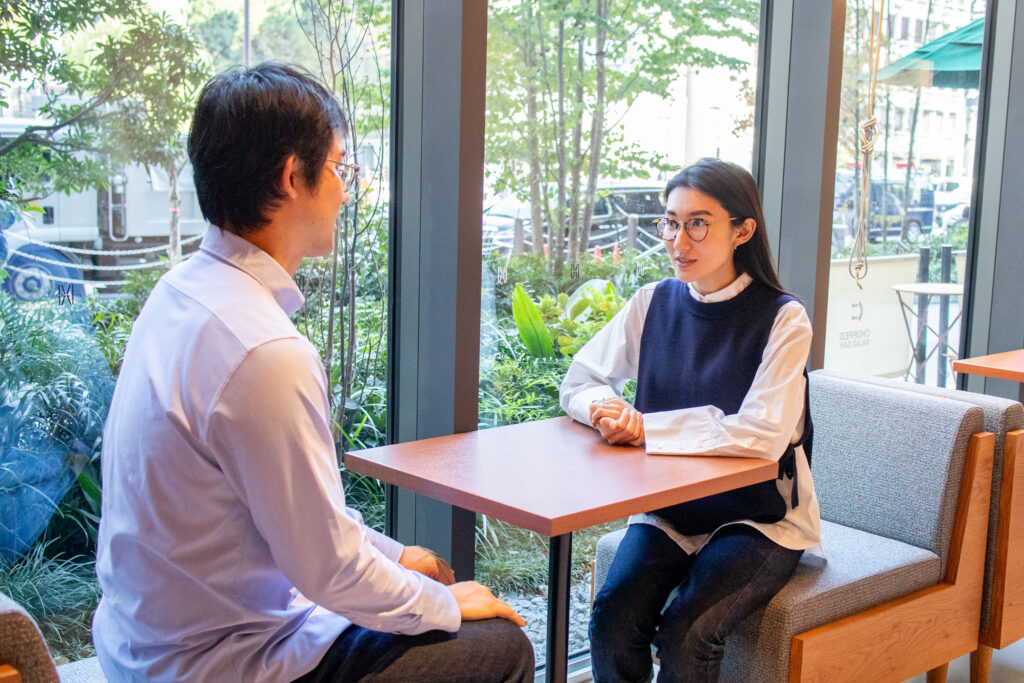
The feeling is mutual, it’s been wonderful meeting everyone. I sense that Taneda-san and the entire Lively team share the same motivation. You’re all passionate, talented individuals who act on the perspective of “Isn’t there something I can do?” when it comes to environmental issues. I also see Lively’s strength in prioritizing human connections in their hiring practices.
Now that I’m working in a field that was a long-held dream of mine, I’m rethinking what I should do next to create a greater impact. Solving climate change issues require fundamental shifts in society and industries. In a capitalist society, ethics alone won’t drive action. To drive larger-scale change and create tangible impact, I’m exploring projects and community building that bridge the financial industry with climate change.
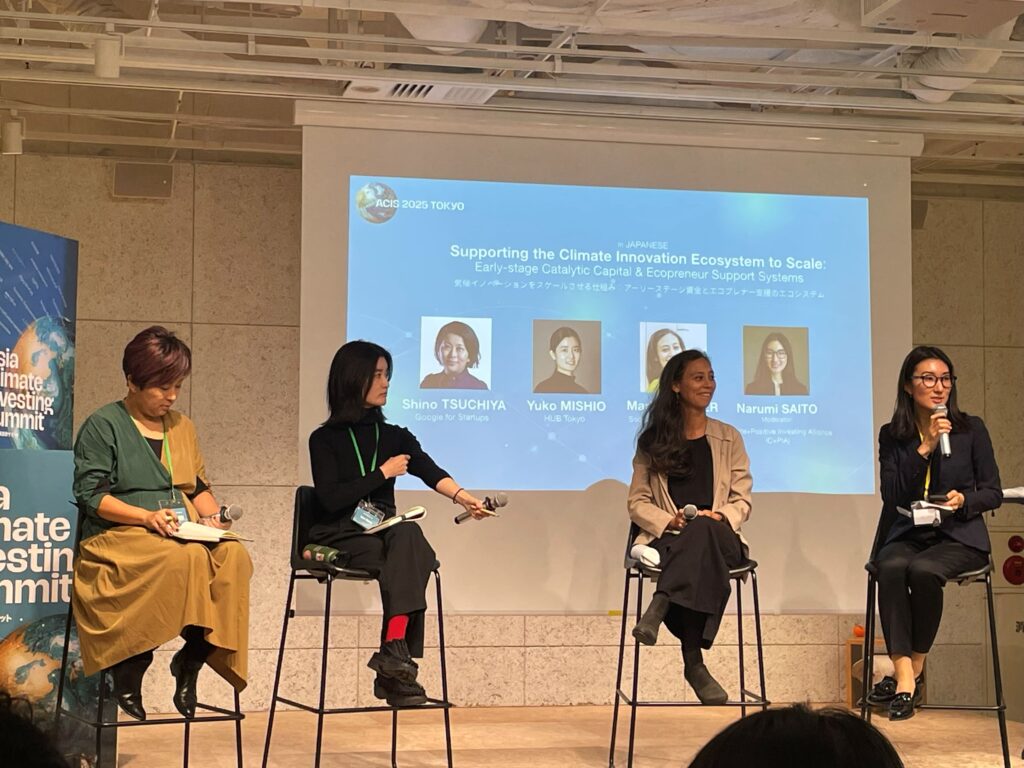
Yes. I believe building communities and activating investment in the climate change field is crucial right now. That’s why I pursued a financial qualification (CFA) and continue studying daily to explore new directions. This year, we were also able to host the Asia Climate Investing Summit (ACIS) 2025 in Tokyo, so I want to actively pursue more activities like this going forward.
That said, while my approach may change, my ultimate goal and what I aim to achieve remain the same. I want to keep tackling what needs to be done at each stage, working towards becoming a solution myself for climate change.
One thing that sparked my interest in climate change was the website “How rich am I.” It lets you see what percentile of the world’s population your annual income places you in. For example, someone earning 5 million yen annually in Japan apparently ranks in the top 2.5% globally. What does it mean, and what responsibilities come with having resources and opportunities that put you in the top 2.5% worldwide? I hope readers will think about that too.
To put it bluntly, it annoyed me. Those most severely impacted by environmental issues are developing countries that aren’t emitting greenhouse gases, and those suffering the most are children, women, and animals living in nature. The question debated at COP27: “Who should pay for the economic losses developing countries suffer due to climate change?” It’s clear that fossil fuels, an essential resource for the Earth, were indispensable for the development of advanced nations. That’s precisely why I felt anger—not just toward advanced nations like Japan, but also toward myself, who knew nothing and never thought about it. As I mentioned earlier, it was precisely because I was only focused on Japan’s internal affairs that I failed to realize the impact I was having on the world.
The landscapes I witnessed in Uganda during my backpacking days as a student and again after graduation sparked the feeling that “this isn’t someone else’s problem.” That too fuels my drive. Being born in Japan is like drawing the grand prize every day on a global scale. Precisely because I was born into a wealthy society and recognize how blessed I am with opportunities, I want to solve the climate change problem from the bottom of my heart.
Well… I think it’s important to “take that first step when something catches your interest.” And also, “talk about it.” When you share your passions or curiosities with others, you get feedback from various people, which helps you take action. To build connections with others, I believe it’s crucial to take initiative yourself and share your dreams and vision.
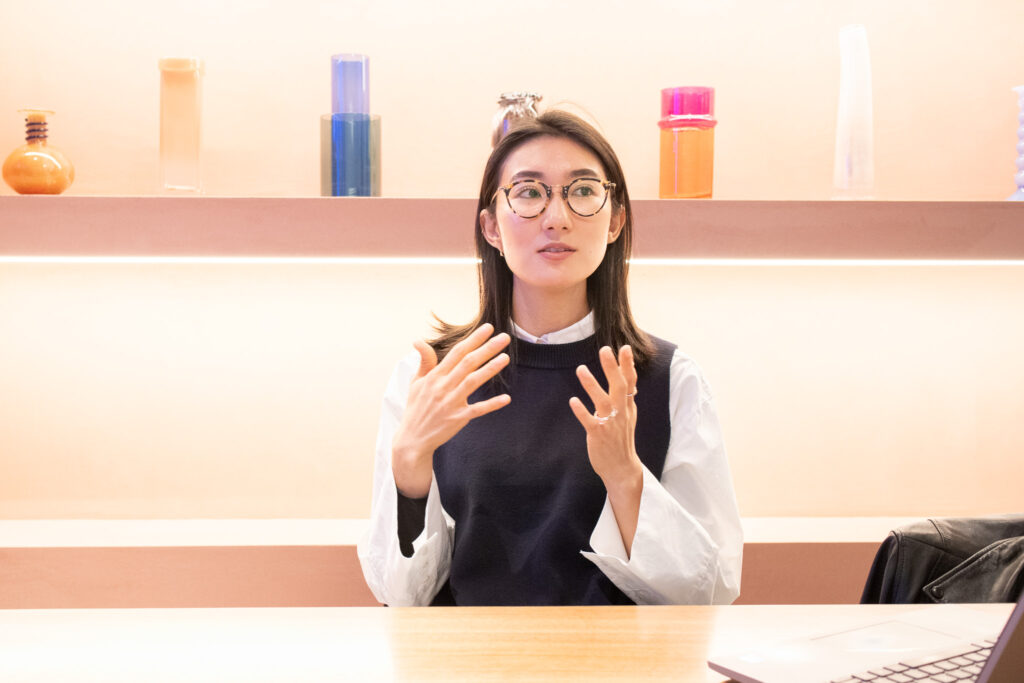
Thank you for interviewing me this time. I’m grateful to all the readers who made it this far. My message would still be “How rich am I?” If you possess resources that place you in the top 2% of the world’s almost 9 billion people, how would you use those resources? It doesn’t have to be about climate change. I’d be happy if I could encourage you to take action in areas you care about—human rights issues, animal welfare, or whatever resonates with you.
Before I started working and earning my own money, “fulfilling myself” was my top priority. It’s precisely because the foundation of my life and livelihood became stable that I can now think about the world. I’m sure everyone is like that. So, to those facing difficult circumstances right now, I don’t want to forcefully say, “Think about climate change.” I hope that each person will come to realize this when they find the space in their lives to do so.
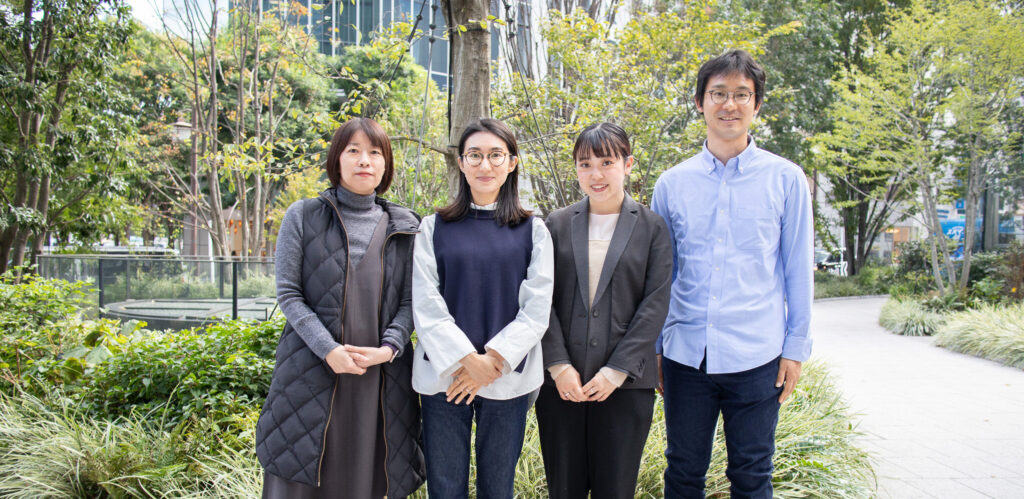
Faced with the vast challenge of climate change, the question arises: “What can I do?” In this interview, Narumi-san shares her journey, which began with this very question and led to sustained action. Her approach of transforming awareness into concrete steps offers readers tangible insights.
Particularly striking was her process of broadly understanding her place within the world and connecting her personal concerns to practical action. Her approach conveyed a commitment to engaging with the complex challenge of climate change, accepting that there is no single correct answer.
Through Lively’s consulting work, Narumi-san has previously shared insights grounded in her experiences in Europe. Moving forward, we will continue to communicate and engage with companies and individuals, drawing inspiration from Narumi-san’s practice and incorporating the evolving discussions and perspectives emerging internationally. We hope this interview serves as an opportunity to reframe the theme of climate change as a “personal question.”
Interview Date: October 30, 2025
Ryoko Nishi / Writer
Tsuyoki Taneda & Riko Abe / Lively